Demystifying the Differences Between THCA and THC
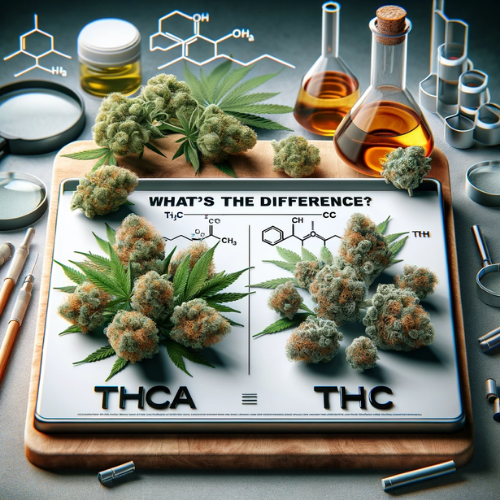
Understanding the distinctions between THCA (Tetrahydrocannabinolic acid) and THC (Tetrahydrocannabinol) is crucial for cannabis consumers seeking to comprehend the science behind the plant's effects.
What is THCA?
THCA: The Non-Psychoactive Precursor
THCA is a non-psychoactive cannabinoid found in raw and live cannabis. As the plant dries and cures, THCA slowly converts to THC, the compound known for its psychoactive effects.
Characteristics of THCA
- Non-Psychoactive: THCA does not produce a "high" in its raw form.
- Presence in Fresh Cannabis: It's found in higher concentrations in fresh, undried cannabis.
What is THC?
THC: The Main Psychoactive Compound
THC is the primary psychoactive compound in cannabis. It is responsible for the "high" associated with cannabis use.
Properties of THC
- Psychoactive Effects: THC binds to cannabinoid receptors in the brain, resulting in altered perception, mood, consciousness, and behavior.
- Produced Through Decarboxylation: THC is created from THCA through a process called decarboxylation, which occurs when cannabis is heated, such as during smoking or vaporizing.
THCA to THC: The Transformation
The Role of Heat
The conversion of THCA to THC happens through decarboxylation, which involves the removal of a carboxyl group. This process is accelerated by heat, which is why THC is most commonly consumed by smoking or vaping.
Raw Cannabis Use
- Consuming Raw Cannabis: Consuming fresh, raw cannabis leaves or buds will primarily provide THCA, not THC.
- Potential Benefits: Some studies suggest that THCA might have its own health benefits, such as anti-inflammatory and neuroprotective properties.
The Importance of Understanding THCA and THC
- Dosage and Potency: Understanding the difference helps consumers gauge the potency of various cannabis products, especially when choosing between raw and heated forms.
- Tailoring Consumption: Knowing the distinction allows users to tailor their consumption method based on desired effects – whether seeking the non-psychoactive properties of THCA or the psychoactive effects of THC.
Staying Informed in Los Angeles
Cannabis consumers in Los Angeles should be aware of the differences between THCA and THC to make informed decisions about their cannabis use. Visit atriumstore.com for more information and resources on cannabis compounds and their effects in the LA area.
Conclusion
The difference between THCA and THC is a fundamental aspect of cannabis science. While THCA is non-psychoactive and prevalent in raw cannabis, THC is psychoactive and produced through heating. Understanding these compounds is key to navigating the complex world of cannabis and maximizing its potential benefits.