Introduction to Ethanol Extraction
Ethanol extraction is a popular method for processing cannabis to create various products like oils, edibles, and tinctures. This method is known for its efficiency and purity, making it a favored choice in the cannabis industry. Let's explore what ethanol extraction involves and why it stands out.
What is Ethanol Extraction?
Ethanol extraction uses ethanol alcohol as a solvent to extract the valuable cannabinoids and terpenes from the cannabis plant material. It's a method that can be used for both small-scale home extractions and large-scale commercial operations.
The Ethanol Extraction Process
Key Steps in Ethanol Extraction
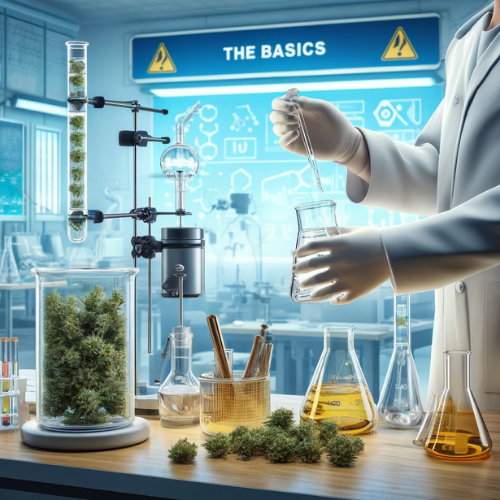
- Preparation of Plant Material: The cannabis is dried and ground to increase the surface area for extraction.
- Soaking: The plant material is soaked in ethanol, which dissolves the desired compounds.
- Separation: After sufficient soaking, the liquid is separated from the plant material.
- Evaporation: The ethanol is then evaporated, often using a rotary evaporator, leaving behind the cannabis extract.
- Post-Processing: The extract might undergo further refinement processes like winterization (removing fats and waxes) and decarboxylation (activating THC and CBD).
Benefits of Ethanol Extraction
- Efficiency: Ethanol is a highly efficient solvent, capable of extracting a wide range of cannabinoids and terpenes.
- Safety: Compared to other solvents like butane, ethanol is generally safer to handle.
- Purity: Ethanol extraction can produce a very pure and potent cannabis extract.
- Scalability: Suitable for both small-scale and industrial-scale operations.
Considerations and Challenges
- Quality of Ethanol: It's important to use food-grade ethanol to ensure the safety and quality of the extract.
- Temperature Control: Maintaining the right temperature is crucial for optimal extraction and preserving the delicate terpenes.
- Residual Solvent Removal: Complete removal of ethanol from the final product is necessary to meet safety standards.
Legal and Safety Aspects
- Regulatory Compliance: Ethanol extraction must comply with local laws and regulations regarding cannabis processing.
- Safety Protocols: Proper ventilation and safety equipment are essential to handle ethanol, which is flammable.
Conclusion
Ethanol extraction is a versatile and efficient method for producing high-quality cannabis extracts. Whether for personal use or commercial production, understanding the process and adhering to safety guidelines are crucial. For those in Los Angeles interested in learning more about cannabis extraction techniques and products, visit atriumstore.com for comprehensive information and resources.